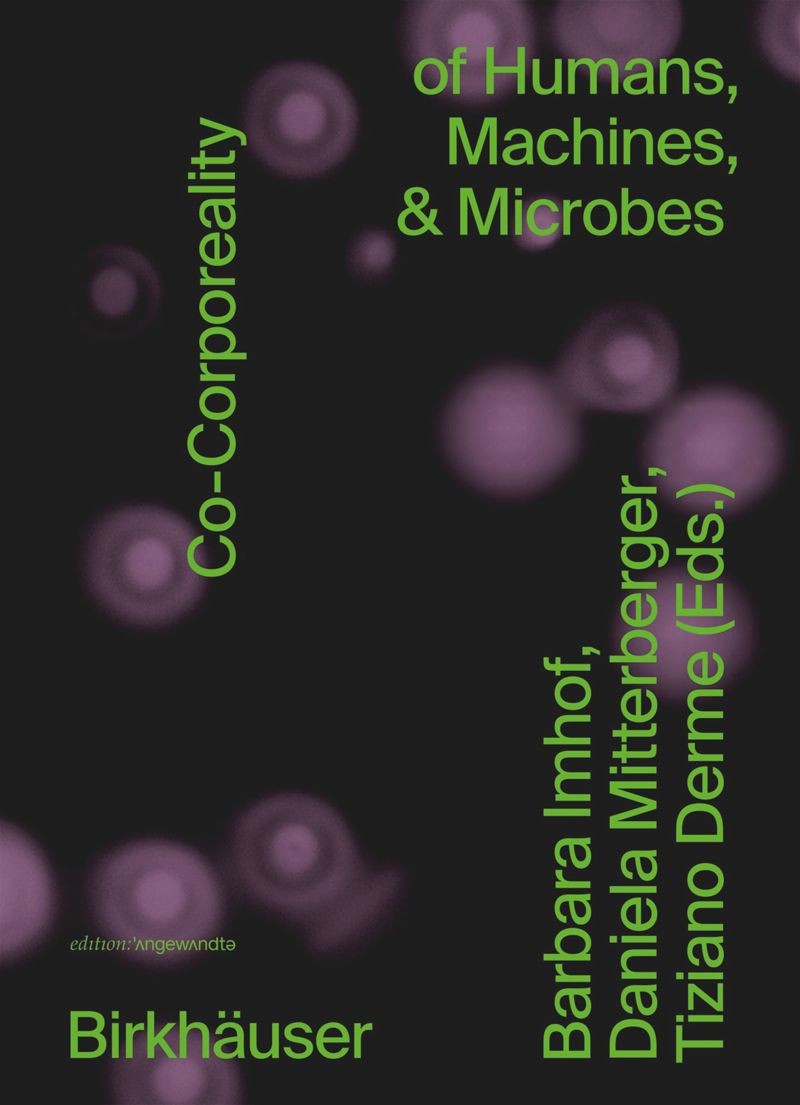
Co-corporeality is based on the hypothesis that
the built environment should be understood as a biological entity that opens up a space for coexistence and interaction between
humans and microbial life. Based on design-led research, it explores how we can develop environments for a multispecies world.
The focus is on the capacity for action of both human and non-human actors: New sensor tools enable the observation of and
interaction between these different actors.
Co-Corporeality combines microbiology, materials science, artificial
intelligence and architecture. At its core is the question of how microbial activity can create new proto-architectural materials,
how living systems can be integrated into architecture and how they can cooperate within different time scales.
Barbara
Imhof, space architect, design researcher and educator, University of Applied Arts Vienna
Daniela Mitterberger,
architect and researcher, ETH Zurich
Tiziano Derme, architect and media artist, ETH Zurich