Exhibition:
During
the semester-long work, the students researched the correlation between art, design, and science with focusing on deconstructing
the contemporary norms in society while examining cultural and experimental interpretations of abilities and disabilities.
The objective of the course was to change the perspectives on disability and become familiar with its values and positive
advantages by using methods of co-Ability studies (Dezső, 2019) and Applied Design Thinking (Mateus-Berr 2013, 2020). ‘The
understanding of co-Ability is grounded in the posthumanist philosophy and in the critical disability studies outlined by
scholars such as Rosi Braidotti (2013) (2017); McRuer (2016); Goodley (2014) (2017); Goodley & Lawthom (2009); Campbell
(2012); Wolfe (2009). This term applies to the relational matter of our world.’ (Dezső, 2019)
To
deconstruct the contemporary normative perspective related to inequality the key is to disconnect the stigma attached to the
term. “The notion of disability is enigmatic, even confusing because the term itself ‘disability’ has negative connotations,
given the prefix ‘dis’ meaning ‘absence’ or ‘negation’”Mitra (2018: 9). Mitra is one of the most respected and committed development
economists working on disability, argues entitled, and her work replaces rhetoric with detailed evidence and critique. She
argues for the interactional model of disability based on Nobel-prize winner (1998) Amartya Sen’s capability approach. The
capability approach has been used to deal with different disability-related issues by the American philosopher Martha Nussbaum
(2006), and economist Amartya Sen (2009) who engages against inequality. Both refer to nearly all global goals to which world
leaders agreed to create a better world by 2030 (Global Goals 2015), especially to Goal 10: It calls for reducing inequalities
in income as well as those based on age, sex, disability, race, ethnicity, origin, religion or economic or another status
within a country. The Goal also addresses inequalities among countries, including those related to representation, migration
and development assistance. Sen (2009; Mitra 2018: 10-11) focuses on the type of life that people are able to live, e.g. on
their practical opportunities, called capabilities.
The exhibition introduces the knowledge of experiencing impaired
senses and allows - by using diverse design tools - as a greater understanding of human experiences. The works of the students
from the first semester until postgraduate show a wide range of approaches and interpretations, which allow interactions and
observations on co-Abilities and invite the audience for participation by artist talks.
When: 7.5.2020
: 7pm
Live Streaming (parallel to FB-Event):
Youtube:
and
These
streams will be published and connected (during event and afterwards) on:
Instagram:
Facebook:
Youtube:
University
lecturers:
University of Applied Arts Vienna (DIE ANGEWANDTE):
Univ.-Prof.
Dr. phil. Mag. art. Ruth Mateus-Berr
Univ.-Prof. Mag. art. Christoph Kaltenbrunner BSc.
Mag.
art. Lászlo Lukács
Prof MMag. art. Wolfgang Neipl
Mag. des. ind. Mag. art. Pia Moana Scharler
Moholy
Nagy University of Art and Design (MOME):
Dezső-Dinnyés Renáta | Doctoral researcher and Assistant lecturer
at Design and Art department MOME
Kövér Dóra Rea, Design and Art department MOME
Participating
University students:
Design, Research & Education seminar | University of Applied
Arts Vienna (DIE ANGEWANDTE):
Sophie Bösker,
Lisa Ebenstein,
Julia Fromm,
Anetta
Luberda,
Christina Weiler
R&D&I course Moholy Nagy University
of Art and Design (MOME) :
Czanik Fanny Fruzsina,
Carcass James,
Gabriella
Maczak,
Piskóti László Barnabás,
Istvan Razso,
Török Sára Eszter

Is this me? 2020 © Julia Fromm
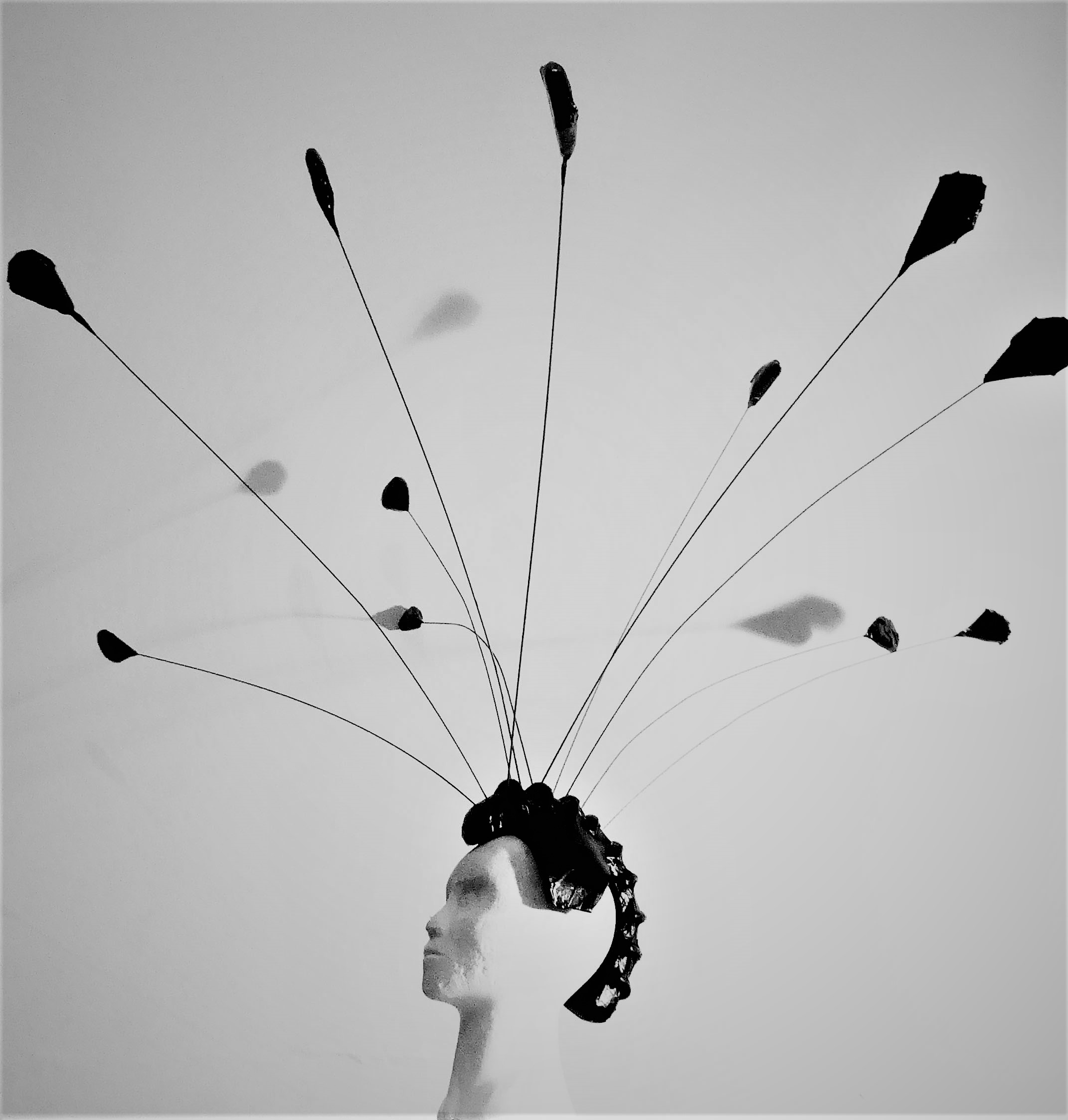
Co-Ability Project: Proba 2019/2020 (c) James Carcass